
Iron Ore Beneficiation
Magnetite and hematite are not interchangeable. Magnetite responds to low-intensity magnetic separation after fine grinding; hematite usually needs gravity, high-intensity magnetic separation, flotation or roasting before it will upgrade.
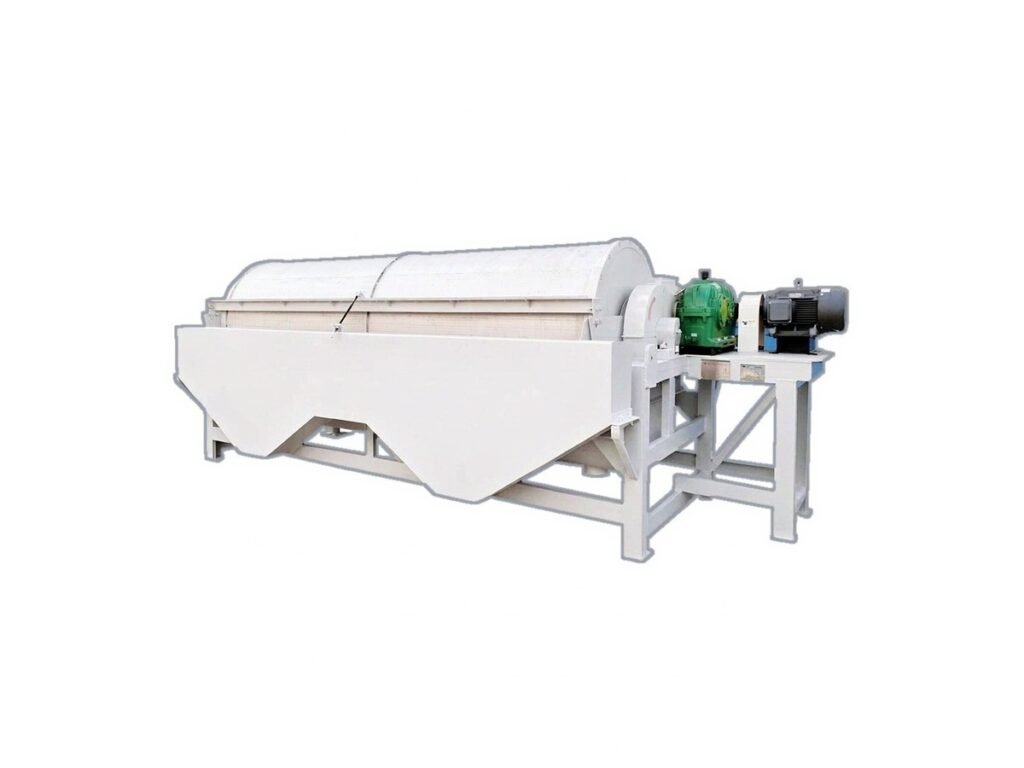
Ore types
Ore types and their main characteristics
The mineralogy of the feed decides which separation methods are even applicable. These are the categories we see on this ore type.
Magnetite (Fe₃O₄)
Strongly magnetic. Upgrades well by low-intensity magnetic separation; the practical limit is liberation size rather than separation technology.
Hematite (Fe₂O₃)
Weakly magnetic. Typically requires gravity, high-intensity magnetic separation, flotation or magnetising roasting.
Limonite / goethite
Hydrated iron oxides, often high in combined water and clay. Difficult to upgrade to high grade by physical means alone.
Titanomagnetite
Magnetite with titanium. Magnetic separation recovers iron but titanium distribution needs separate evaluation.
Siderite and mixed ores
Carbonate iron ores; often require roasting to convert to a magnetic form before separation.
Challenges
Where this ore becomes difficult
These are the recurring technical problems that separate a workable flowsheet from a catalogue of machines.
- Fine dissemination of iron minerals in quartz or silicate gangue — the grind must reach liberation, which raises grinding cost sharply.
- Hematite that will not respond to low-intensity magnetic separation, yet cannot be economically ground fine enough for flotation.
- High silica and alumina content limiting concentrate grade even after multiple cleaning stages.
- Ore with high combined water or clay, causing handling, screening and filtration problems.
- Slimes losses: very fine iron minerals report to tailings in conventional gravity or magnetic circuits.
Techniques
Applicable separation techniques
Each technique below is selected against a specific mineral property, not as a generic step.
Low-intensity magnetic separation
The standard route for magnetite. Wet drum separators in roughing, cleaning and scavenging duty, with regrinding of middlings.
High-intensity magnetic separation
Applied to hematite and weakly magnetic ores; effective on fine fractions where gravity fails.
Gravity concentration
Coarse hematite and mixed ores, using jigs and heavy-media-type separation for lump ore.
Flotation
Reverse flotation of quartz from iron minerals is widely used for fine hematite and magnetite concentrates.
Magnetising roasting
Converts hematite or siderite into a magnetic form so conventional magnetic separation applies. Energy-intensive; justified only by ore type and scale.
Flowsheet
Process routes
Where an ore type splits into genuinely different routes, they are shown separately rather than forced into one diagram.
Magnetite — crushing, grinding, magnetic separation
Magnetite ore with reasonable liberation- STEP 1CrushingJaw + cone, multi-stage
- STEP 2Dry cobbingCoarse pre-concentration where suitable
- STEP 3GrindingBall mill with classification
- STEP 4Roughing / cleaningWet drum magnetic separation with regrind of middlings
- STEP 5DewateringThickening, filtration, concentrate stockpile
Hematite — gravity and high-intensity magnetic separation
Weakly magnetic ore, coarse to medium liberation- STEP 1Crushing and screeningProduce lump and fines fractions
- STEP 2GravityJig or heavy-media type separation on coarse fractions
- STEP 3GrindingFine grinding of gravity tailings
- STEP 4High-intensity magnetic separationRecover fine weakly magnetic iron
- STEP 5FlotationWhere silica removal is required for grade
Equipment
Equipment used in this flowsheet
Each item links to its own page with models, capacity ranges and specifications.
Selection notes
What to check before you specify
These are the points that most often change a flowsheet after testing — worth settling before equipment is ordered.
- Confirm the magnetic susceptibility of the ore before specifying drum field intensity — magnetite and hematite specifications differ substantially.
- For hematite, do not assume a magnetic route works at the same grind as a magnetite circuit. Liberation size must be measured, not assumed.
- Regrinding of middlings usually improves grade more than adding cleaning stages to a circuit that is not liberating.
- Product moisture and handling matter as much as concentrate grade for the buyer; include filtration in the flowsheet from the start.
Knowledge
Related technical notes
Written against this ore type. Articles are published only after technical review.
Magnetite versus hematite: two different plants
Why the same "iron ore beneficiation" label covers fundamentally different equipment.
Article in preparation — pending technical review
Middlings regrinding in magnetic circuits
When cleaning stages stop helping and regrinding is the answer.
Article in preparation — pending technical review
Reverse flotation for silica removal
Reagent logic and circuit arrangement for fine iron concentrates.
Article in preparation — pending technical review
FAQ
Frequently asked questions
Can one magnetic separator handle both magnetite and hematite?
Not on the same duty. Magnetite is recovered by low-intensity separation; hematite needs high-intensity units, often with gravity or flotation. Field intensity and matrix design are different.
Is roasting always required for hematite?
No. Roasting is applied when physical separation cannot reach the required grade or recovery. Whether it is justified depends on ore type, energy cost and product target.
How fine must the ore be ground?
That depends on the dissemination size of the iron minerals, established by mineralogical analysis and grind tests. Any quoted grind size without testwork is an assumption, not a design.
Do you provide testwork support?
We can prepare a flowsheet proposal and equipment list based on your ore description, and we recommend bench or pilot testwork before the flowsheet is fixed. Specific recovery figures are only confirmed by that testwork.
Discuss your iron ore project
Tell us the ore type, the target product and the capacity you have in mind. We will reply with a process proposal and an equipment list for that specific material — not a generic catalogue selection.