
Manganese Ore Beneficiation
Oxide and carbonate manganese ores call for different treatment. Oxide ore upgrades by washing, gravity and magnetic separation; carbonate ore frequently needs roasting or chemical treatment before it is usable.
Ore types
Ore types and their main characteristics
The mineralogy of the feed decides which separation methods are even applicable. These are the categories we see on this ore type.
Oxide manganese ore
Pyrolusite, psilomelane and related minerals. Amenable to physical separation by density and magnetism.
Carbonate manganese ore
Rhodochrosite and manganocalcite. Physical separation usually insufficient; roasting or acid treatment is often needed.
Manganese–iron ore
Mixed ores where iron and manganese must be separated, or a ferromanganese product accepted.
High-phosphorus manganese ore
Phosphorus above alloy limits; requires removal by chemical or roasting methods.
Clay-rich manganese wad
Very high gangue and moisture; washing is the first and often a decisive step.
Challenges
Where this ore becomes difficult
These are the recurring technical problems that separate a workable flowsheet from a catalogue of machines.
- Separating manganese from iron, since the response of the two in magnetic and gravity separation is reasonably similar.
- Phosphorus content that cannot be removed by physical methods, limiting alloy use.
- Carbonate manganese requiring thermal or chemical treatment, which raises both capital and operating cost.
- High clay and moisture content in oxide ores interfering with screening and separation.
- Fine-grained manganese minerals lost with slimes in washing circuits.
Techniques
Applicable separation techniques
Each technique below is selected against a specific mineral property, not as a generic step.
Washing and classification
Removes clay and fines, producing a coarse product. Often the cheapest and highest-return step on clay-rich ore.
Gravity concentration
Jigs and shaking tables for oxide ore where density contrast is sufficient.
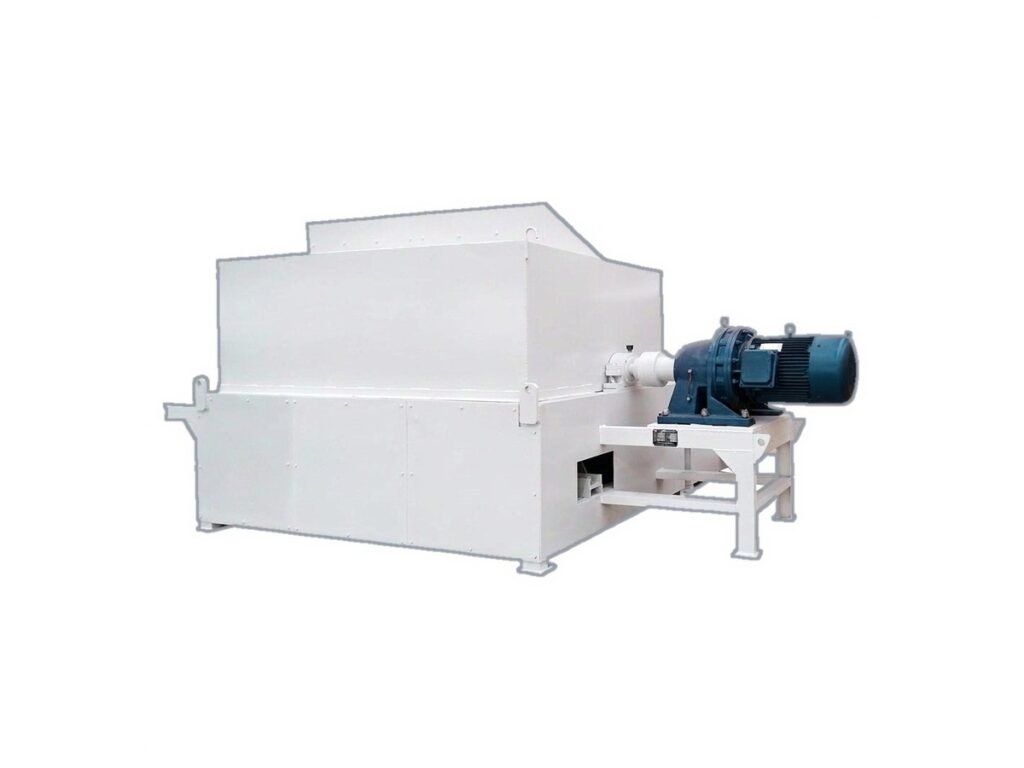
Magnetic separation
Used to reject iron minerals or to upgrade manganese where the minerals have different magnetic response.
Roasting
Converts carbonate manganese to a more separable form; also used for iron and phosphorus removal in specific ore types.
Chemical / hydrometallurgical treatment
Applied where physical separation cannot reach specification, typically for battery-grade or high-purity product.
Flowsheet
Process routes
Where an ore type splits into genuinely different routes, they are shown separately rather than forced into one diagram.
Oxide manganese — washing, gravity and magnetic
Oxide ore with clay and iron gangue- STEP 1WashingLog washer or sand washer to break clay
- STEP 2ScreeningSplit coarse and fine fractions
- STEP 3GravityJig on the coarse, table on the fine
- STEP 4Magnetic separationReject iron-bearing minerals
- STEP 5DewateringProduct dewatering before shipment
Carbonate manganese — roasting route
Rhodochrosite-bearing ore- STEP 1Crushing and screeningFeed preparation
- STEP 2RoastingConversion to a separable form
- STEP 3GrindingLiberation of the roasted product
- STEP 4SeparationMagnetic or gravity depending on the product
Equipment
Equipment used in this flowsheet
Each item links to its own page with models, capacity ranges and specifications.
Selection notes
What to check before you specify
These are the points that most often change a flowsheet after testing — worth settling before equipment is ordered.
- Determine whether the ore is oxide or carbonate before anything else — the routes share almost no equipment.
- Test phosphorus early. If phosphorus is over specification and cannot be removed physically, the ore may not suit the alloy market at all.
- Washing is often underestimated. On clay-rich oxide ore it can deliver more grade improvement per unit of capital than any separation stage.
- Roasting is energy-intensive; its economics depend on local energy cost and on the acceptable product specification.
Knowledge
Related technical notes
Written against this ore type. Articles are published only after technical review.
Oxide and carbonate manganese: two plants
Why the ore mineralogy decides everything before equipment selection.
Article in preparation — pending technical review
Washing as a beneficiation step
The underestimated first stage for clay-rich manganese ore.
Article in preparation — pending technical review
Phosphorus in manganese ores
Where it comes from and why it limits the product market.
Article in preparation — pending technical review
FAQ
Frequently asked questions
Why does manganese ore need roasting?
Carbonate manganese minerals do not separate well by physical methods. Roasting changes their form so that magnetic or gravity separation becomes effective. It is not required for oxide ores.
Can magnetic separation remove all the iron?
No. It reduces iron content, but the achievable level depends on how the iron is hosted. Where iron and manganese are closely intergrown, physical separation has a practical limit.
How is phosphorus removed?
Phosphorus is generally not removable by gravity or magnetic separation. Specific roasting or chemical methods are required, and their applicability must be established by testwork on your ore.
What product specifications matter most?
Manganese content, manganese-to-iron ratio, phosphorus and silica. Which of these dominates depends on whether the product goes to ferromanganese smelting, batteries or another application.
Discuss your manganese ore project
Tell us the ore type, the target product and the capacity you have in mind. We will reply with a process proposal and an equipment list for that specific material — not a generic catalogue selection.